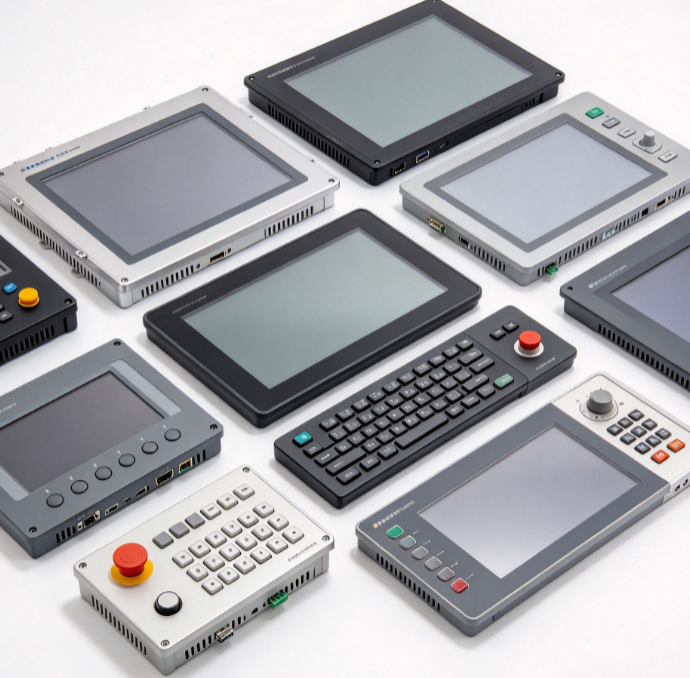
<h2 style="text-align: left;"><span style="font-size: 18pt;"><strong>Table of Contents</strong></span></h2><p style="text-align: left;"><span style="font-size: 12pt;">1. Product Overview</span></p><p style="text-align: left;"><span style="font-size: 12pt;">2. Common Types of Electronic Interface Panels</span></p><p style="text-align: left;"><span style="font-size: 12pt;">3. Technical Specification Comparison</span></p><p style="text-align: left;"><span style="font-size: 12pt;">4. Core Functional Features</span></p><p style="text-align: left;"><span style="font-size: 12pt;">5. Typical Industrial Usage Scenarios</span></p><p style="text-align: left;"><span style="font-size: 12pt;">6. Basic Installation and Maintenance Tips</span></p><p style="text-align: left;"><span style="font-size: 12pt;">7. Industry FAQ</span></p><h2 style="text-align: left;"><span style="font-size: 18pt;"><strong>1. Product Overview</strong></span></h2><p style="text-align: left;"><span style="font-size: 12pt;">Electronic interface panels are core human-machine interaction components. They integrate display screens, control buttons and signal interface ports into one compact unit.</span></p><p style="text-align: left;"><span style="font-size: 12pt;">These industrial control panels connect operators with automated equipment. They process input commands and show real-time device operating data.</span></p><p style="text-align: left;"><span style="font-size: 12pt;">Standard electronic interface panels support multiple communication protocols. It ensure stable signal transmission between controllers and field devices.</span></p><p style="text-align: left;"><span style="font-size: 12pt;">Rugged structural design make them fit harsh industrial environments. They resist dust, vibration and temperature changes well.</span></p><h2 style="text-align: left;"><span style="font-size: 18pt;"><strong>2. Common Types of Electronic Interface Panels</strong></span></h2><h3 style="text-align: left;"><span style="font-size: 13.5pt;"><strong>2.1 Resistive Touch Interface Panels</strong></span></h3><p style="text-align: left;"><span style="font-size: 12pt;">Resistive electronic interface panels use pressure-sensitive touch layers. They respond to physical contact from gloves or stylus.</span></p><p style="text-align: left;"><span style="font-size: 12pt;">This type have simple working structure. It deliver stable performance in dusty and wet workshop conditions.</span></p><p style="text-align: left;"><span style="font-size: 12pt;">It cost lower than capacitive models. Industrial mechanical equipment widely use this panel type.</span></p><h3 style="text-align: left;"><span style="font-size: 13.5pt;"><strong>2.2 Capacitive Touch Interface Panels</strong></span></h3><p style="text-align: left;"><span style="font-size: 12pt;">Capacitive electronic interface panels support multi-touch operation. It provide high sensitivity and smooth touch feedback.</span></p><p style="text-align: left;"><span style="font-size: 12pt;">These panels have high display clarity. They suit precision equipment and smart building control systems.</span></p><p style="text-align: left;"><span style="font-size: 12pt;">It cannot work with thick gloves. It only response to direct skin contact or professional conductive tools.</span></p><h3 style="text-align: left;"><span style="font-size: 13.5pt;"><strong>2.3 Industrial Button Control Panels</strong></span></h3><p style="text-align: left;"><span style="font-size: 12pt;">Button-type electronic interface panels adopt physical key design. They match fixed operation procedures for industrial machinery.</span></p><p style="text-align: left;"><span style="font-size: 12pt;">No touch screen delay exist. It support frequent and rapid manual operation on production lines.</span></p><h2 style="text-align: left;"><span style="font-size: 18pt;"><strong>3. Technical Specification Comparison</strong></span></h2><p style="text-align: left;"><span style="font-size: 12pt;">Different electronic interface panels have obvious gaps in display performance and durability. The table below list verified industry standard parameters for mainstream models.</span></p><table style="min-width: 125px;"><colgroup><col style="min-width: 25px;"><col style="min-width: 25px;"><col style="min-width: 25px;"><col style="min-width: 25px;"><col style="min-width: 25px;"></colgroup><tbody><tr><td colspan="1" rowspan="1"><p style="text-align: left;"><span style="font-size: 10pt;">Panel Type</span></p></td><td colspan="1" rowspan="1"><p style="text-align: left;"><span style="font-size: 10pt;">Standard Brightness</span></p></td><td colspan="1" rowspan="1"><p style="text-align: left;"><span style="font-size: 10pt;">Viewing Angle</span></p></td><td colspan="1" rowspan="1"><p style="text-align: left;"><span style="font-size: 10pt;">Touch Lifespan</span></p></td><td colspan="1" rowspan="1"><p style="text-align: left;"><span style="font-size: 10pt;">Working Temperature Range</span></p></td></tr><tr><td colspan="1" rowspan="1"><p style="text-align: left;"><span style="font-size: 10pt;">Resistive Touch Panel</span></p></td><td colspan="1" rowspan="1"><p style="text-align: left;"><span style="font-size: 10pt;">300 cd/m²</span></p></td><td colspan="1" rowspan="1"><p style="text-align: left;"><span style="font-size: 10pt;">85° all directions</span></p></td><td colspan="1" rowspan="1"><p style="text-align: left;"><span style="font-size: 10pt;">10 million touches</span></p></td><td colspan="1" rowspan="1"><p style="text-align: left;"><span style="font-size: 10pt;">-20°C to 60°C</span></p></td></tr><tr><td colspan="1" rowspan="1"><p style="text-align: left;"><span style="font-size: 10pt;">Capacitive Touch Panel</span></p></td><td colspan="1" rowspan="1"><p style="text-align: left;"><span style="font-size: 10pt;">350 cd/m²</span></p></td><td colspan="1" rowspan="1"><p style="text-align: left;"><span style="font-size: 10pt;">89° all directions</span></p></td><td colspan="1" rowspan="1"><p style="text-align: left;"><span style="font-size: 10pt;">50 million touches</span></p></td><td colspan="1" rowspan="1"><p style="text-align: left;"><span style="font-size: 10pt;">-10°C to 50°C</span></p></td></tr><tr><td colspan="1" rowspan="1"><p style="text-align: left;"><span style="font-size: 10pt;">Button Control Panel</span></p></td><td colspan="1" rowspan="1"><p style="text-align: left;"><span style="font-size: 10pt;">250 cd/m²</span></p></td><td colspan="1" rowspan="1"><p style="text-align: left;"><span style="font-size: 10pt;">No display limit</span></p></td><td colspan="1" rowspan="1"><p style="text-align: left;"><span style="font-size: 10pt;">20 million presses</span></p></td><td colspan="1" rowspan="1"><p style="text-align: left;"><span style="font-size: 10pt;">-30°C to 70°C</span></p></td></tr></tbody></table><p style="text-align: left;"><span style="font-size: 12pt;">Capacitive electronic interface panels have longer touch service life and wider viewing angle. It better for high-frequency precision operation scenarios.</span></p><p style="text-align: left;"><span style="font-size: 12pt;">Button panels adapt the widest temperature range. It is the most reliable choice for extreme industrial environments.</span></p><h2 style="text-align: left;"><span style="font-size: 18pt;"><strong>4. Core Functional Features</strong></span></h2><h3 style="text-align: left;"><span style="font-size: 13.5pt;"><strong>4.1 Multi-Protocol Communication Support</strong></span></h3><p style="text-align: left;"><span style="font-size: 12pt;">Most electronic interface panels support RS485, Ethernet and USB interfaces. It connect with PLC, sensors and industrial controllers directly.</span></p><p style="text-align: left;"><span style="font-size: 12pt;">Compatible protocols include MQTT and OPC UA. It realize data transmission for industrial Internet systems.</span></p><h3 style="text-align: left;"><span style="font-size: 13.5pt;"><strong>4.2 Real-Time Data Display</strong></span></h3><p style="text-align: left;"><span style="font-size: 12pt;">Panels show equipment running speed, temperature and pressure data in real time. Operators monitor production status at a glance.</span></p><p style="text-align: left;"><span style="font-size: 12pt;">High-resolution screens reduce data reading errors. It improve overall operation accuracy.</span></p><h3 style="text-align: left;"><span style="font-size: 13.5pt;"><strong>4.3 Rugged Industrial Grade Design</strong></span></h3><p style="text-align: left;"><span style="font-size: 12pt;">Front panel shell use aluminum alloy or reinforced plastic. It resist surface scratch and mechanical impact.</span></p><p style="text-align: left;"><span style="font-size: 12pt;">IP65 standard dustproof and waterproof structure protect internal circuits. It stable work in factory workshop environments.</span></p><h2 style="text-align: left;"><span style="font-size: 18pt;"><strong>5. Typical Industrial Usage Scenarios</strong></span></h2><h3 style="text-align: left;"><span style="font-size: 13.5pt;"><strong>5.1 Factory Automation Equipment</strong></span></h3><p style="text-align: left;"><span style="font-size: 12pt;">Production line machinery install electronic interface panels for parameter adjustment. Workers set running parameters and view fault codes quickly.</span></p><p style="text-align: left;"><span style="font-size: 12pt;">Resistive touch panels are widely used here. It support glove operation for on-site staff.</span></p><h3 style="text-align: left;"><span style="font-size: 13.5pt;"><strong>5.2 Intelligent Building Control Systems</strong></span></h3><p style="text-align: left;"><span style="font-size: 12pt;">Building automation use capacitive interface panels. It control lighting, air conditioning and ventilation equipment centrally.</span></p><p style="text-align: left;"><span style="font-size: 12pt;">High display clarity fit indoor long-term viewing needs.</span></p><h3 style="text-align: left;"><span style="font-size: 13.5pt;"><strong>5.3 Industrial Detection Instruments</strong></span></h3><p style="text-align: left;"><span style="font-size: 12pt;">Precision testing equipment match mini electronic interface panels. It display detection data and complete function switching.</span></p><h2 style="text-align: left;"><span style="font-size: 18pt;"><strong>6. Basic Installation and Maintenance Tips</strong></span></h2><p style="text-align: left;"><span style="font-size: 12pt;">Keep installation surface flat. Uneven surface cause panel extrusion damage.</span></p><p style="text-align: left;"><span style="font-size: 12pt;">Avoid long-term direct sunlight exposure. Strong light reduce screen brightness and shorten service life.</span></p><p style="text-align: left;"><span style="font-size: 12pt;">Clean panel surface with soft dry cloth. Hard tools scratch the touch layer easily.</span></p><p style="text-align: left;"><span style="font-size: 12pt;">Check interface wiring regularly. Loose wires lead to signal interruption and display failure.</span></p><h2 style="text-align: left;"><span style="font-size: 18pt;"><strong>7. Frequently Asked Questions</strong></span></h2><p style="text-align: left;"><span style="font-size: 12pt;"><strong>Q1: What is the difference between resistive and capacitive electronic interface panels?</strong></span></p><p style="text-align: left;"><span style="font-size: 12pt;">A1: Resistive panels support glove operation and low temperature work. Capacitive panels have higher sensitivity, longer lifespan and better display effect.</span></p><p style="text-align: left;"><span style="font-size: 12pt;"><strong>Q2: What communication interfaces do industrial interface panels support?</strong></span></p><p style="text-align: left;"><span style="font-size: 12pt;">A2: Most standard models support RS485, Ethernet, USB and serial ports. They also compatible with MQTT and OPC UA industrial protocols.</span></p><p style="text-align: left;"><span style="font-size: 12pt;"><strong>Q3: Which panel type suit harsh low-temperature workshops?</strong></span></p><p style="text-align: left;"><span style="font-size: 12pt;">A3: Button control panels and resistive touch panels are better choices. They adapt wider temperature range than capacitive models.</span></p><p style="text-align: left;"><span style="font-size: 12pt;"><strong>Q4: What is the standard dustproof and waterproof grade?</strong></span></p><p style="text-align: left;"><span style="font-size: 12pt;">A4: Most industrial electronic interface panels reach IP65 grade. It fully prevent dust invasion and resist splash water.</span></p><p style="text-align: left;"><span style="font-size: 12pt;"><strong>Q5: How long is the service life of industrial touch panels?</strong></span></p><p style="text-align: left;"><span style="font-size: 12pt;">A5: Resistive panels support 10 million touches. Capacitive panels can reach 50 million touches under normal working conditions.</span></p><p><span style="font-size: 10.5pt;"> </span></p>